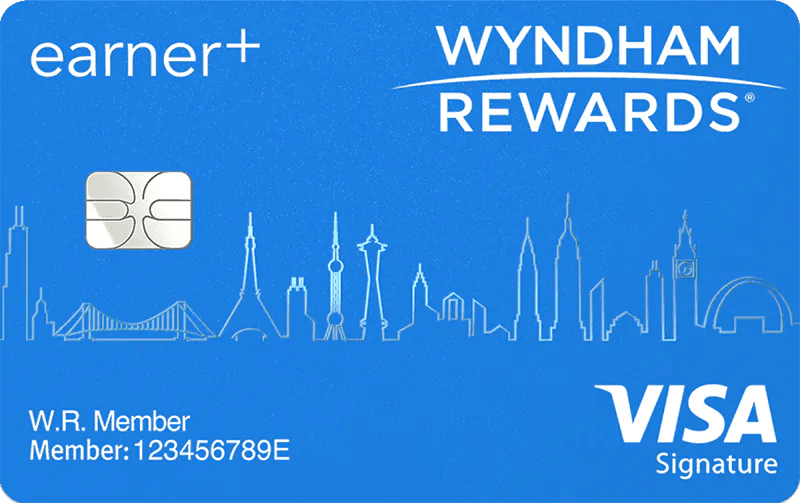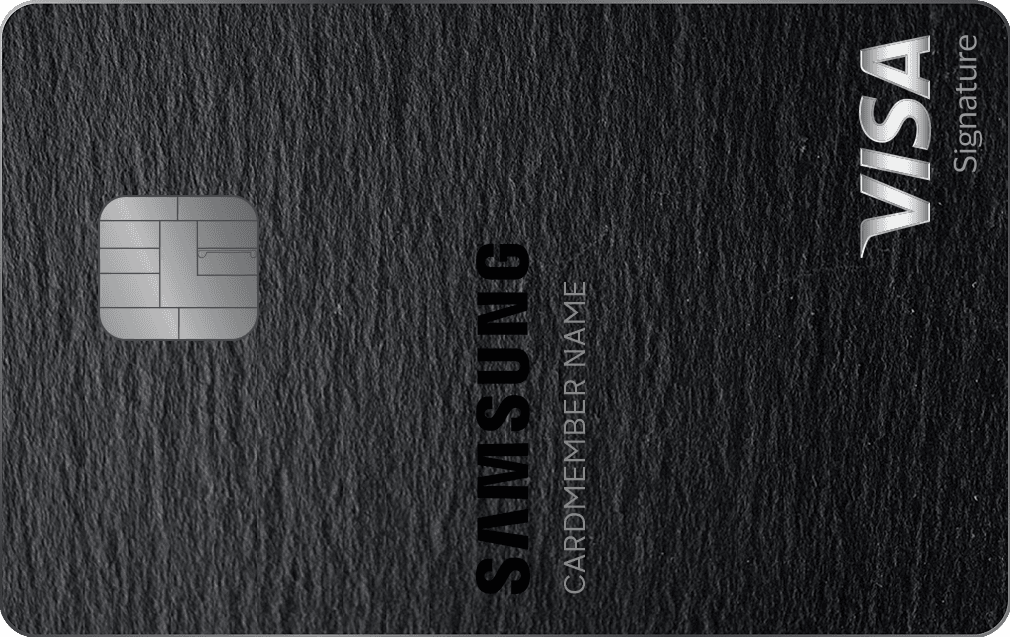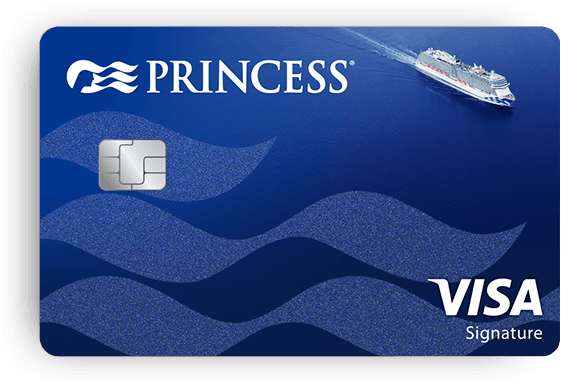
Barclays US is a co-brand shop. Almost their entire lineup is somebody else's brand: JetBlue, Hawaiian, Wyndham, Princess, and as of 2026, Samsung. That structure shapes their underwriting in a way worth understanding, because it means Barclays is underwriting a partner's customer base rather than building a direct relationship with you.
The result is an issuer that is unusually sensitive to how your credit report looks right now, and comparatively uninterested in your history with them.
Here are their rules as of September 2026.
The Rules at a Glance
| Rule | Type | Effect |
|---|---|---|
| 6/24 | Soft threshold | Denials rise sharply above 6 new accounts in 24 months |
| 1 card per 6 months | Soft pacing | Second application inside the window often denied |
| No duplicate cards | Hard rule | Cannot hold two of the same product at once |
| 24-month bonus wait | Bonus rule | Approved, but no bonus |
| Total credit extended | Underwriting cap | Denials once your Barclays exposure is maxed |
Only one of these is a hard rule. The rest are pressure, not walls.
Rule 1: The 6/24 Threshold
Barclays denies applicants with roughly six or more new accounts on their credit report in the past 24 months at a much higher rate than applicants below that line.
This is not Chase 5/24. Two important differences:
- It is not a coded auto-decline. Approvals at 6/24, 7/24, and higher are documented, especially on the entry-level cards.
- It varies by product. The premium co-brands (JetBlue Plus, the Wyndham Earner tiers) enforce it more tightly than the no-annual-fee versions.
What is consistent is the direction. Every new account on your report moves Barclays odds down, and the fall-off around six is steep enough that community shorthand treats it as a rule.
Practical read: below 5/24, Barclays is straightforward. At 6/24 and 7/24, it is a real gamble. Above 8/24, expect a denial on anything premium.
Rule 2: One Card Per Six Months
Barclays generally approves one new card per applicant per six months. Like the 6/24 threshold, this is soft. Approvals at three and four months happen, particularly when the second card is a lower-tier product.
Barclays is one of the issuers where applying too fast does more than get you denied. Rapid Barclays applications are a documented trigger for credit limit decreases on your existing Barclays accounts, and occasionally for account closure. This is a real difference from Chase or Amex, where a denial is just a denial.
Rule 3: No Duplicate Cards
This one is hard, and it is the rule most unique to Barclays.
You cannot hold two of the same Barclays product at the same time. If you already have a JetBlue Plus card, you cannot open a second JetBlue Plus card. You have to close the first one, and then apply.This matters for bonus strategy. At Citi or Chase you can sometimes hold two of a product. At Barclays, re-earning a bonus on a card you like requires closing it, waiting out the bonus clock, and reapplying. That is a genuine cost, since closing shortens your average account age and drops the credit limit from your utilization calculation.
Rule 4: The 24-Month Bonus Wait
Barclays restricts welcome bonuses to once per 24 months per product, measured from when the prior bonus posted.
Combined with the duplicate card rule, the full re-earn cycle looks like:
- Receive the bonus
- Hold the card for at least a year, so the account does not look like pure bonus chasing
- Close the card
- Wait until 24 months have passed since the bonus posted
- Reapply
As always, the offer terms on the application page are authoritative and vary by product.
Inquiry Sensitivity
Barclays weights hard inquiries more heavily than most major issuers. This is separate from the 6/24 account count, and it catches people who have applied a lot without being approved much.
A profile with four new accounts but twelve inquiries in 12 months can be denied at Barclays while sailing through at Amex. If you have been rate shopping or collecting denials elsewhere, let inquiries age before applying here.
Barclays pulls TransUnion in most cases, with Experian appearing regionally. Some applicants report double pulls. If you keep your reports frozen, thaw TransUnion first. See credit freezes and applications.
Total Credit Extended
Like U.S. Bank, Barclays caps total exposure per customer. Once you hold two or three Barclays cards with meaningful limits, further applications get denied on exposure rather than on credit quality.
The reconsideration fix is the same: offer to reallocate a limit from an existing Barclays card to the new account. Barclays recon agents have the authority to do this and it converts a real share of denials.
Reconsideration at Barclays
Barclays has a reconsideration line and it is moderately useful. What works:
- Exposure denials: offer to move credit from an existing card
- Verification issues: address or income mismatches are easy fixes
- Explaining inquiries: modestly effective if you have a clean narrative
What does not work: arguing a velocity or account-count denial. Barclays agents will not override a risk-model outcome driven by your report.
See our reconsideration guide for the general approach.
The 2026 Lineup
Barclays' portfolio has shifted meaningfully:
- Samsung Galaxy Card launched in July 2026, their newest major co-brand and the first big consumer-electronics partnership in the lineup
- The Wyndham Earner family was refreshed in June 2026, adding the $395 Earner Premier at the top
- JetBlue remains their flagship airline partnership, with the Plus and Premier tiers carrying the strongest bonuses and the tightest underwriting
- Hawaiian Airlines cards continue, though the Alaska merger has raised long-term questions about the program
Barclays also issues a number of smaller co-brands not covered here. The rules above apply across the lineup.
Where Barclays Fits in a Plan
Because Barclays is inquiry and velocity sensitive, it belongs early in an application sequence, not late.
The common mistake is treating Barclays as a filler issuer to hit after you have already opened four cards this year. By then their odds are poor. If a JetBlue or Wyndham card is on your list, apply for it while your report is clean.
A workable order for someone building a portfolio:
- Chase first, because 5/24 is the least forgiving rule
- Barclays and Citi next, while inquiry counts are still low
- Amex and Capital One later, since both are more tolerant of a busy report
FAQ
Is Barclays 6/24 a hard rule?
No. It is a strong risk weighting. Approvals above 6/24 happen, more often on entry-level products than premium co-brands.
Can I have two JetBlue cards?
Not two of the same JetBlue product. You can hold the JetBlue Card and the JetBlue Plus Card simultaneously, since those are different products.
Do Barclays cards count toward Chase 5/24?
Yes. Barclays personal cards report to your personal credit report.
Will Barclays lower my limits if I apply too often?
It happens. Barclays is one of the few issuers where rapid application activity has triggered credit limit decreases and closures on existing accounts.
How long should I wait between Barclays applications?
Six months. Shorter intervals sometimes work but carry the account-review risk above.
Does Barclays do soft-pull credit limit increases?
Requested increases are typically hard pulls. Automatic increases are soft. See credit limit increases.
Can I product change a Barclays card?
Only within the same co-brand family, and options are limited because the lineup is mostly partner cards. Downgrade paths are narrower here than at Chase or Citi. See our product change guide.
What is the best way to improve Barclays odds?
Let inquiries age. Barclays reacts to inquiry count more than most issuers, and a six-month quiet period changes outcomes more than a score increase does.
Does Barclays have a 24-month or 48-month bonus rule?
24 months on most products, measured from when the bonus posted. Read the offer terms.
Does Barclays offer pre-qualification?
For some products, and it is a soft pull. It is less predictive than Capital One's tool. See pre-approval vs pre-qualification.
The Bottom Line
Barclays is the issuer that punishes you for what you did in the last year rather than what you did in the last five.
- Apply while your report is clean. Barclays odds decay faster with new accounts and inquiries than almost any other issuer, so put them early in your sequence.
- Remember you cannot hold two of the same card. Re-earning a Barclays bonus means closing the original, which is a real cost.
- Do not stack Barclays applications. Unlike most issuers, applying too fast here can cost you limits and accounts you already have.
Their co-brand bonuses are frequently the best value in their categories, particularly JetBlue and Wyndham. Getting them just requires applying at the right point in your credit cycle rather than whenever you happen to remember.