Getting your first credit card with no credit history feels like a chicken-and-egg problem: you need credit to get approved, but you need to be approved to start building credit. The good news is the industry has solved this — there are several legitimate starter products designed specifically for people with no credit, and most of them are no-annual-fee cards that you can keep for life.
Here are the best first credit cards in 2026, what each one is actually best for, and the order to apply if your goal is to maximize approval odds without burning hard inquiries on cards you can't qualify for.
Three Categories of First Cards
Before getting into specific picks, it's worth understanding the three product categories that target no-credit applicants:
1. Student cards (no credit history needed, must be enrolled in school)
Designed for college students. Underwriting is lighter — you don't need a credit history, and income requirements are minimal. Most are no annual fee. Examples: Discover It Student, Chase Freedom Student, Capital One Savor Student, Bilt Blue.
2. Unsecured starter cards (no credit history accepted, no school enrollment required)
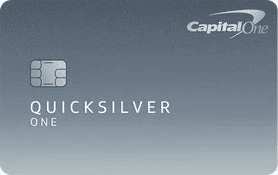
Designed for thin-file applicants regardless of school status. Slightly tougher underwriting than student cards but still very accessible. Examples: Capital One QuicksilverOne, Petal 2, Mission Lane.
3. Secured cards (deposit-backed, guaranteed approval if deposit posts)
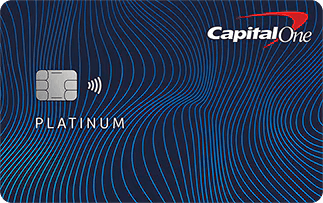
Backed by a refundable security deposit. Designed for applicants who can't get approved for unsecured cards — either because of no credit, damaged credit, or both. Examples: Discover It Secured, Capital One Platinum Secured, Capital One Quicksilver Secured.
We have a separate piece on secured cards covering that category in depth. The picks below focus on student and unsecured starter cards, since most no-credit applicants are eligible for at least one of them.
The Best First Card Picks
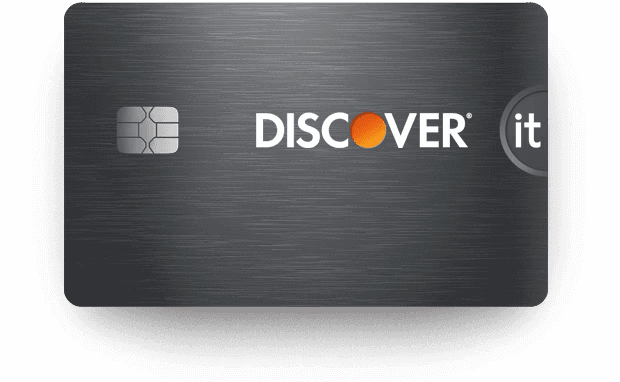
Best for college students: Discover It Student Cash Back
- Annual fee: $0
- Rewards: 5% on rotating quarterly categories (up to $1,500/quarter activated), 1% on everything else
- Welcome bonus: Cashback Match — Discover doubles your first year's cashback at the end of the year
- Why it's a great first card: Low approval bar (most students with verifiable income get approved), strong rewards, the Cashback Match welcome bonus is genuinely the best in the student category, and Discover's customer service is consistently rated highest in the industry. It also has free FICO score access in the app, useful for someone tracking their first year of credit-building.
Approves on: enrolled student status, $0–$15K reported income, no prior credit history.
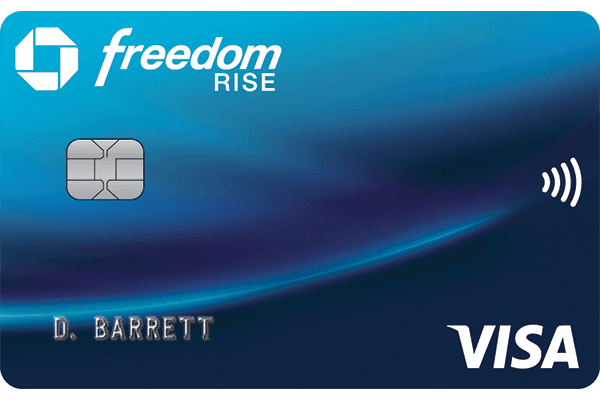
Best for college students who want flat-rate simplicity: Chase Freedom Student
- Annual fee: $0
- Rewards: 1% on everything (basic), $20 Good Standing Rewards each year for staying current
- Welcome bonus: $50 statement credit after first purchase
- Why it's a great first card: Chase is a major issuer with a wide product family. Starting here puts you on the path to the full Chase Ultimate Rewards ecosystem — Sapphire Preferred, Sapphire Reserve, Freedom Unlimited — once your credit profile is established. Plus, having Chase as your first card gets your foot in the door for staying 5/24-compliant early.
Approves on: enrolled student status, $0–$15K reported income.
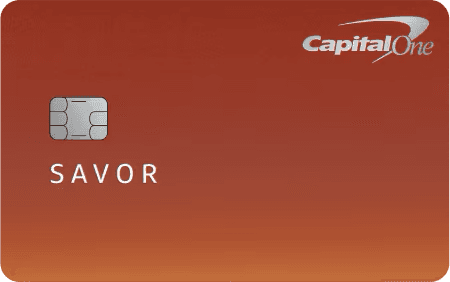
Best for college students with travel/dining spend: Capital One Savor Student
- Annual fee: $0
- Rewards: 3% on dining, entertainment, popular streaming services, and grocery stores; 1% everywhere else
- Welcome bonus: $50 statement credit after $100 spent in 3 months
- Why it's a great first card: 3% on dining and entertainment is competitive even against non-student cards, and the SavorOne is one of the few starter cards that actually pays meaningful rewards on the spend categories that students hit. Capital One is also known for fast credit limit increases and graduation paths to better cards.
Approves on: enrolled student status, $0–$15K reported income.
Best for non-students with no credit: Capital One QuicksilverOne
- Annual fee: $39
- Rewards: 1.5% on everything
- Welcome bonus: None
- Why it's a great first card: One of the few unsecured cards that approves on no credit history. The $39 annual fee is the cost of entry — but you typically graduate to the no-fee Capital One Quicksilver after 6–12 months of clean use. Treat the $39 as a one-time investment in building credit.
Approves on: $20K+ income, fair-or-no credit. The most reliable unsecured option for non-students.
Best for paying off debt while building credit: Petal 2 Visa
- Annual fee: $0
- Rewards: 1–1.5% on all purchases (1.5% after 12 on-time payments)
- Welcome bonus: Up to 10% cashback at select merchants in the app
- Why it's a great first card: Petal underwrites based on your bank account history (cash flow) rather than primarily relying on credit history. If you have a checking account with regular deposits and decent balance management, Petal can approve you when traditional issuers won't.
Approves on: bank account history showing income and balance management, no minimum credit history required.
Best secured card backstop: Discover It Secured
- Annual fee: $0
- Rewards: 2% on gas/restaurants up to $1,000/quarter, 1% on everything else
- Cashback Match: Discover doubles all cashback earned in the first year
- Deposit: $200 minimum (refundable, becomes your credit limit)
- Why it's a great first card: If you can't get approved for any unsecured product (including QuicksilverOne and Petal 2), Discover It Secured is the gold-standard secured card. Discover automatically reviews your account for graduation to an unsecured card after 7 months — you get your deposit back and the card converts. It's the fastest legitimate path from no credit to a real unsecured card.
Approves on: $200+ refundable deposit, $0+ income.
The Recommended Application Order
If you have no credit history, here's the order that maximizes your odds while minimizing inquiry damage:
If you're a current college student:
- Discover It Student Cash Back (apply first — best rewards, easiest approval for students)
- If approved, hold for 6+ months before considering second card
- Chase Freedom Student as second card after 6 months (starts the Chase relationship before 5/24 matters)
If you're not a student, with regular income $20K+:
- Capital One QuicksilverOne (apply first — most reliable unsecured no-credit approval)
- If declined, try Petal 2 (different underwriting model, often approves Capital One declines)
- If both decline, fall back to Discover It Secured (guaranteed approval with $200 deposit)
If your income is under $20K and you're not a student:
- Discover It Secured (most reliable approval at any income level)
- After 6+ months of clean use, apply for Capital One QuicksilverOne or Capital One SavorOne unsecured
- Discover will graduate your secured card to unsecured automatically around month 7
If you're a recent immigrant with no US credit:
- Discover It Secured (Discover accepts applicants with ITIN — Individual Taxpayer Identification Number — instead of SSN, which most immigrants have before getting an SSN)
- American Express can sometimes import credit history from your home country (Canada, UK, India, Mexico, Brazil, and others) via the Amex Global Pay program — apply for a basic Amex (Blue Cash Everyday or Green Card) after that
- After 6+ months, transition to unsecured with Capital One QuicksilverOne or apply for a regular Discover It Cash Back
What Each Issuer Looks At for No-Credit Applicants
Discover
- Verifiable income (any amount)
- SSN OR ITIN
- No bankruptcy in the last 5 years
- Generally the most lenient major issuer for thin files
Capital One
- Income (typically $20K+ for unsecured starter; $0+ for secured)
- Will pull all three bureaus (triple-pull) — ensure you're prepared for three inquiries
- Generally underwrites more conservatively on QuicksilverOne than Discover does on the It Cash Back
Chase
- Student status (for student cards) or some existing credit history (for non-student cards)
- Chase generally won't approve no-credit non-student applicants for any card — Chase is not a starter-card issuer
Petal
- Cash flow analysis from your linked bank account
- Income and stable balance over the last 3+ months
- Different model from traditional issuers — can approve when others don't
American Express
- For applicants with no US credit but verifiable income
- Global Pay program imports international credit history
- Generally requires $20K+ income for first Amex
What to Do After You're Approved
Once you have your first card, three rules:
1. Use it for small recurring charges only
Set up one or two monthly subscriptions ($10–$30 total) on autopay. That's it. Don't use the card for groceries, gas, or any large purchases — at least for the first 6 months.
Why: low utilization (under 10%) is the fastest way to grow your score. A $30 statement balance on a $500 limit is 6% — perfect.
2. Set autopay for full statement balance
Never miss a payment. Even one 30-day late payment in your first year tanks your score by 80–110 points and stays on your report for 7 years.
3. Don't apply for more cards in the first 6 months
Let the card age. Each new card application is a hard inquiry plus a new account, both of which drag your thin file. Wait at least 6 months — ideally 12 — before adding a second card.
The Score Trajectory You Can Expect
Starting from no credit, with one starter card used responsibly:
- Month 1–2: First credit report appears. No score yet (need 6 months of history for FICO; some scoring models give a score after 3 months).
- Month 3–6: First score generates. Typically 650–700 if you've used the card responsibly.
- Month 6–12: Score moves into the 720–740 range.
- Month 12–24: With consistent on-time payments and low utilization, 740+ is achievable on a single card.
After 12 months of clean use on your first card, your file is strong enough to qualify for most mainstream cards (Chase Freedom Unlimited, Citi Double Cash, Capital One Savor) at no-credit-needed approval. That's the milestone — once you're past it, your no-credit-history phase is done.
Common Mistakes
Mistake 1: Applying for premium cards too early
Some applicants try Sapphire Preferred or Amex Gold as their first card. These will decline almost universally for no-credit applicants. Save the inquiry — start with a starter product.
Mistake 2: Applying for too many cards in quick succession
Stacking 3–4 applications in a month creates a velocity signal that flags every issuer. The first decline often spirals into denial across the board.
Mistake 3: Treating QuicksilverOne's annual fee as a deal-breaker
$39/year is the cost of building credit fast for a non-student. After 6–12 months, the card upgrades to no-fee Quicksilver and the $39 was a one-time investment. Don't avoid it because of the fee.
Mistake 4: Getting a sub-prime card with predatory fees
Cards like Total Visa, Indigo Mastercard, First Premier — these charge $75–$175 annual fees, low credit limits, and offer no rewards. Avoid them. The starter cards above are cheaper and faster to graduate from.
Mistake 5: Not using the card at all
A card with $0 charges every month doesn't build credit. The bureaus need to see active use. One small charge per month is enough.
FAQ
What's the minimum income for a first credit card?
Most starter cards approve at $0–$15K. Discover It Secured approves at $0+. Capital One QuicksilverOne typically wants $20K+. Petal 2 cares more about bank account history than absolute income.
How long does it take to build credit from zero?
About 3–6 months to generate a first FICO score, and 12–18 months of clean use to reach the 720+ range eligible for most mainstream cards. See our credit-building timeline article for full month-by-month expectations.
Can I be approved for a credit card at age 18?
Yes, but the CARD Act requires applicants under 21 to demonstrate independent ability to repay (or a co-signer, which most issuers don't accept). For most 18–20-year-olds, the path is a student card with student-specific income disclosure, or a secured card.
Will being added as an authorized user count as my "first card"?
It can. AU status on a long-aged, clean account creates credit history for you faster than your first own card would. See our authorized user strategy piece for details.
Can I get a credit card with no Social Security Number?
Some issuers (Discover, Amex, BBVA, Marcus) accept ITINs from non-SSN applicants. Most others don't. Recent immigrants without SSNs can typically get a Discover It Secured.
What credit limit will I get on my first card?
Typically $300–$1,000 on student and starter cards; $200 (or your deposit amount) on secured cards. Limits grow with use — most issuers offer credit limit increases after 6 months of clean use.
Should I apply for two cards on the same day to maximize approvals?
No. Stacking applications creates a velocity signal that triggers declines across all the simultaneous applications. Apply for one card, wait for the decision, hold it for 6+ months, then apply for the second.
Is there a way to be 100% sure I'll be approved?
Only with a secured card, where the deposit functionally guarantees approval. Pre-qualification tools (Capital One, Discover) can predict unsecured approvals with high accuracy — but no unsecured card is a guarantee for a no-credit applicant.
Will a denial on my first application hurt me?
A single hard inquiry from a denial costs ~5 points and recovers in 6 months. Worth the test. Avoid stacking multiple denials, since the cumulative inquiry damage adds up.
The Bottom Line
No credit history is a temporary problem with a clear solution. Three rules:
- Pick the right starter category for your situation. Students go for Discover It Student. Non-student earners try QuicksilverOne or Petal 2. Anyone who can't qualify unsecured uses Discover It Secured.
- Hold the card 12+ months and use it lightly. A small recurring charge on autopay, paid in full every month. That's all your file needs.
- Don't chase too fast. Wait 6+ months before your second application. The path from no credit to qualifying for any mainstream card is roughly 12–18 months of clean use on one starter card.
Done right, your "no credit" status is a 12-month phase, not a permanent ceiling. Pick the right first card and the rest of the credit world opens up on its own schedule.