If your credit is thin, damaged, or nonexistent, almost every regular credit card application is going to come back as a denial. That's the wall a secured card is built to get you over.
Done right, a secured card turns into a real credit card in 6–12 months and you get your deposit back. Done wrong, you pay an annual fee for two years to a card that never reports anything useful and quietly does nothing for your score.
Here's what actually matters.
What a Secured Card Actually Is
A secured card is a credit card you collateralize with a refundable cash deposit. You send the issuer, say, $300, and they give you a card with a $300 credit limit. You then use it like any other card — swipe, get a statement, pay it off — and the issuer reports your activity to the three credit bureaus.
The deposit isn't a payment. It just sits there as collateral in case you stop paying. As long as you pay your bill, your deposit is untouched and you get the full amount back when the account closes or upgrades.
Functionally, a secured card behaves like a regular credit card in every way that matters for credit building: same monthly statements, same payment due dates, same reporting to Experian, Equifax, and TransUnion, same impact on your score from on-time payments and utilization. The credit bureaus do not flag secured cards differently — to your credit report, it just looks like a credit card.
How It Actually Works, Step by Step
- You apply. Approval is much more lenient than for unsecured cards — many secured cards approve applicants with no credit history, recent bankruptcies, or scores in the 500s.
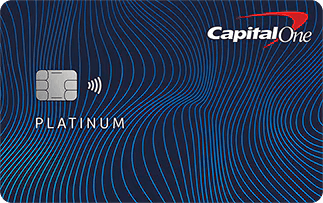
- You fund the deposit. Most issuers require $200–$300 minimum, with some going as low as $49 (Capital One Platinum Secured) and most capping around $2,500–$5,000.
- The deposit becomes your credit limit. Deposit $500, get a $500 limit. A handful of cards (notably Capital One Platinum Secured) will sometimes give you a higher limit than your deposit, but assume 1:1.
- You use the card. Make small purchases, ideally keeping your balance under 10% of your limit by the time the statement closes. Pay the balance in full every month.
- The issuer reports your activity. After about 30–60 days, your first month of activity shows up on your credit report. After 6 months of on-time payments, you'll typically have a usable FICO score for the first time (or a much-improved one).
- The issuer reviews you for an upgrade. Most issuers automatically check your account every 6–12 months. If you've paid on time and your overall credit profile looks healthy, they'll either upgrade you to an unsecured version of the same card or refund your deposit and graduate you. If they don't, you can request a graduation review yourself.
Who Should Actually Get One
Secured cards make sense for exactly four groups:
- No credit history at all — recent immigrants, young adults, anyone who's been a cash-only user. A secured card is the fastest way to start a file with the credit bureaus.
- Damaged credit — late payments, collections, charge-offs, or a recent bankruptcy on file. Most rewards cards won't approve you. A secured card will, and it gives you a clean line to rebuild on top of.
- Thin credit — you have a credit history but not enough accounts to score well. Adding a secured card increases your total credit lines and your average account age over time.
- Recent denials on unsecured cards — if you've been turned down for two or three regular cards in the last few months, stop applying for them. Each denial dings your score from the hard inquiry. A secured card sidesteps this.
If your credit is already in the 670+ range and clean, you don't need a secured card — you should be applying for entry-level unsecured cards (Discover It, Capital One Quicksilver, Chase Freedom Rise). A secured card with a $300 limit doesn't help you compared to an unsecured card with a $1,500 limit.
How to Pick a Secured Card
Three things matter, in order:
- No annual fee. Plenty of decent secured cards charge $0/year. Don't pay an annual fee on a card whose primary job is to graduate within 12 months. Some predatory secured cards charge $35–$95 annual fees plus monthly maintenance fees — avoid these completely.
- Reports to all three bureaus. Experian, Equifax, and TransUnion. If a card only reports to one or two, you're under-building. Every reputable secured card reports to all three; verify before applying.
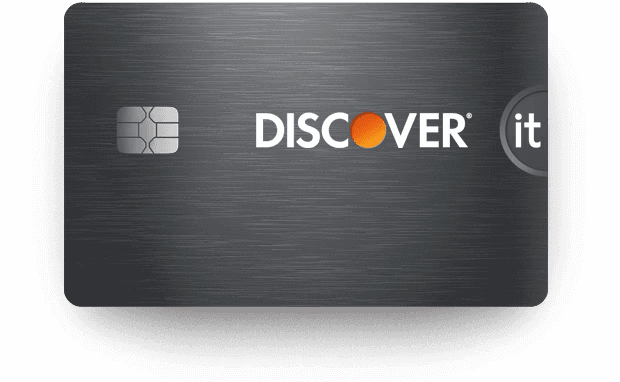
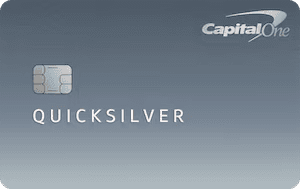
- Has an upgrade path. Some secured cards (Discover It Secured, Capital One Quicksilver Secured, Capital One Platinum Secured, Bank of America's secured products) have documented programs that automatically convert you to an unsecured card after 6–12 months of good behavior. That's the goal — pick one with a clear path out.
Bonus criteria, if you can get them: rewards (Discover It Secured pays cash back and matches your first year), a clear path to a higher unsecured limit after upgrade, and the ability to add to your deposit later to grow your limit.
See our current top secured card picks at /best/best-secured-cards for a regularly-updated ranking with specific deposit minimums, reward structures, and upgrade timelines.
What Most People Get Wrong
- Treating it like a debit card. A secured card builds credit through the reporting of your payment behavior, not through the deposit. If you put your deposit down and never use the card, nothing gets reported and your score doesn't move. Use it for at least one small purchase every month.
- Carrying a balance. Paying interest on a secured card is double-bad: it costs you money AND it doesn't help your score any more than paying in full does. Pay the statement balance off every month, in full, by the due date.
- Maxing out the limit. If you have a $300 limit and you spend $290, your statement will report 97% utilization — which tanks your score even if you pay it off. Aim to keep the statement-closing balance under 30% of the limit, ideally under 10%. With a small limit, that means using it for one or two small purchases per month, not for everything.
- Closing it after upgrading. If you graduate to an unsecured card with the same issuer, that's a conversion — same account, same age, no impact. But if you open a separate unsecured card and close the secured one, you lose the account age. Keep the secured account open if you can, or only close it if it has an annual fee that's no longer worth paying.
- Not asking for a graduation review. If you've been paying on time for 8–12 months and your issuer hasn't auto-upgraded you, call them and ask. Most will run a soft review on the spot.
FAQ
Is a secured card a "real" credit card?
Yes. To your credit report, it looks identical to any other credit card. Issuers report the same way: account opened, credit limit, balance, payment history. The only practical differences from your end are (a) you put down a refundable deposit, and (b) the credit limit is usually small.
Will a secured card actually build my credit?
Yes, if you pay on time and keep utilization low. Payment history is 35% of your FICO score and utilization is another 30% — secured cards are great for both because the small limit forces you to keep balances small. Most users see a meaningful score improvement within 3–6 months and a substantial improvement after 12 months.
How much should I deposit?
Enough to cover one or two months of recurring small purchases (a streaming subscription, a tank of gas, a phone bill) — typically $300–$500. Putting down more doesn't help your credit faster, and a larger deposit doesn't change the issuer's reporting behavior. The only reason to deposit more is if you genuinely need a larger usable limit (e.g. for a planned purchase you'll pay off immediately).
Will I get my deposit back?
Yes, in two scenarios: (1) when the issuer graduates you to an unsecured card — your deposit is refunded as a statement credit or a check, or (2) when you close the account in good standing with a $0 balance.
You will not get your deposit back if you close the account with an outstanding balance — they apply your deposit to the unpaid balance first.
How long until I can get a regular credit card?
Most issuers auto-review at 6–12 months. With on-time payments, you'll typically be eligible for an unsecured card from your secured-card issuer at the 6-month mark, and from other issuers (entry-level rewards cards) at 9–12 months once your score crosses 670.
What credit score do I need to get one?
Many secured cards have no minimum credit score — they'll approve applicants with bankruptcies, charge-offs, or no credit file at all. A few of the more reward-rich options (Discover It Secured) prefer scores in the 580+ range but will still approve below that for many applicants. If you've been denied for one secured card, try a different issuer rather than re-applying.
Can I have more than one secured card?
Technically yes, but it usually doesn't help. One well-managed secured card builds your credit just as effectively as two. The exception is if you have a damaged file and want a second tradeline to thicken your credit history — but you're usually better off graduating to an unsecured card and adding accounts that way.
Is the deposit "locked up" — can I get it back if I need cash?
The deposit stays with the issuer until you close the account or graduate. You can't withdraw against it like a savings account. Plan accordingly — don't deposit money you might need for an emergency in the next 6–12 months.
Does the security deposit earn interest?
Almost never. A handful of credit-union secured cards will pay nominal interest (under 1%), but for the major bank issuers, your deposit sits in a non-interest-bearing account.
Will the issuer raise my limit?
Sometimes. Capital One is known for occasionally extending credit beyond your deposit on the Platinum Secured. Some issuers (Discover, Capital One) let you add to your deposit to raise your limit. After you graduate to an unsecured card, your limit will typically grow on its own as your credit profile improves.
What happens if I miss a payment?
Same as any credit card: the late payment hits your credit report after 30 days past due, and your APR may increase to a penalty rate. The deposit doesn't protect you from the credit-score damage of a late payment. If you're more than 60 days late, the issuer may apply your deposit to the balance and close the account — losing both your deposit and the credit-building benefit.
Do secured cards offer rewards?
Some do. Discover It Secured pays cash back on gas and restaurants and matches all rewards earned in your first year. Capital One Quicksilver Secured pays a flat 1.5% on everything. Most other secured cards don't offer rewards — that's fine, since the goal is credit building, not maximizing cash back. Rewards are a nice bonus but shouldn't be the deciding factor.
Should I close my secured card after I get an unsecured one?
Usually no. Closing it shortens your average account age and reduces your total available credit, both of which can drop your score. If your secured card has no annual fee, leave it open. If it has an annual fee that's no longer justifiable, then closing is reasonable — but try a product change to a no-fee card first if your issuer offers one.
Are there secured cards I should avoid?
Yes — any secured card with an annual fee above $0, monthly maintenance fees, application fees, or a low non-refundable "processing" charge. These exist and they prey on people with limited options. Stick with the major issuers: Discover, Capital One, Bank of America, Citi, U.S. Bank, and reputable credit unions.
The Bottom Line
A secured card is a tool with one job: convert a refundable deposit and 6–12 months of disciplined behavior into a real credit history and a path to an unsecured card. It does that job well, if you pick a no-fee card that reports to all three bureaus, use it lightly, pay it off in full every month, and graduate as soon as you're eligible.
If you want to skip the picking part, the /best/best-secured-cards page maintains a current ranking of the top options, updated regularly as deposit minimums, reward structures, and upgrade timelines change.
Get the deposit back, get the score, get out. That's the whole game.